
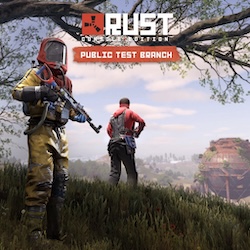
Rust
All trademarks belong to their respective owners.
Advertisement
Rust Summary
Rust in 2026 stays true to its ruthless survival identity: you spawn with almost nothing, then fight hunger, weather, wildlife, and most importantly other players who can erase days of progress in a single raid. Regular monthly updates keep servers fresh, while newer systems (sea-focused content, quality-of-life combat tweaks, automation, and self-sustaining farming) add more depth for builders and long-term base planners. With wipes constantly resetting the world, every season becomes a new PvP story driven by alliances, betrayal, and high-risk loot runs.
Rating
Pros
- High-stakes survival and PvP tension: Every roam, raid, and escape feels meaningful because losses hurt and victories feel earned.
- Strong update rhythm: Frequent content drops and regular wipes keep the meta moving and prevent long-term stagnation.
- Deep crafting and base building: Extensive freedom in designs, defenses, traps, and progression paths.
- Long-term builder depth: Automation, farming, and animal systems reward planning, logistics, and smart base management.
- Unmatched social sandbox: Negotiation, alliances, scams, and diplomacy create memorable emergent gameplay moments.
- Improved feel and QoL: Combat and convenience options (such as crosshair settings) help players fine-tune control.
Cons
- Harsh for newcomers: A steep learning curve and early deaths can feel punishing for new or casual players.
- Major time investment: Progression, base upkeep, and defense often require long sessions or coordinated groups.
- Wipe fatigue: Restarting can be exciting, but repeated re-grinding may sap motivation.
- Solo raid pressure: Large clans can dominate servers, making solo play stressful.
- Variable server experience: Performance, rulesets, and community behavior differ widely between servers.
Advertisement
Get Game Links from Digital Markets
All trademarks belong to their respective owners.